Patient Referral Management Software: A Tool That Benefit Healthcare
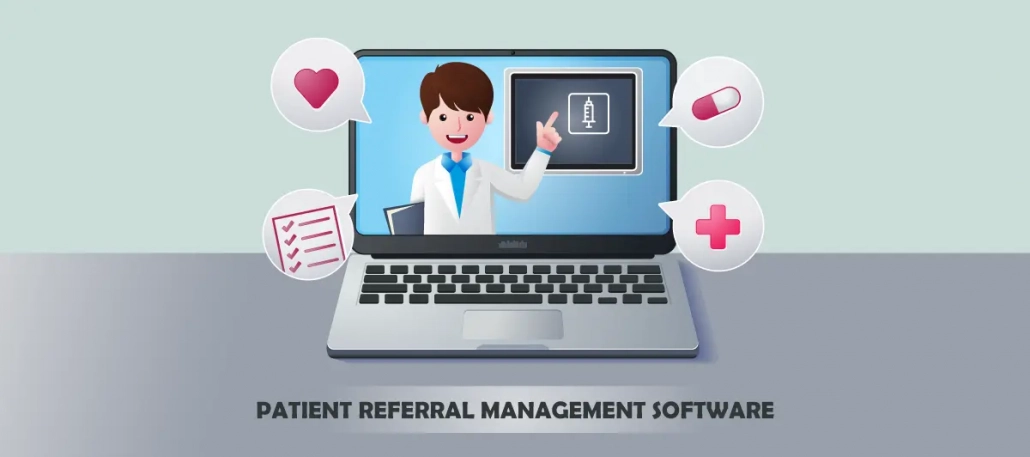
Quick Summary: Patient Referral Management Software is a valuable tool for the healthcare sector. It enhances all healthcare services in various ways. That’s all we are about to discuss in this blog; we help you to understand PRMS from the basics. So, let’s continue!
Introduction
Technology helps all sectors to evolve, including the healthcare sector. As we know, referrals are important to get leads, and the evolving technology provides a tool called Patient Referral Management Software, which helps to get leads from incoming referrals.
This tool helps to make a complex process easy, Connects patients with the right specialists, and provides more efficiency.
Read this article to Understand what referral management software is, how it works, and how it helps or benefits existing patients and doctors.
So keep reading!
Overview To Patient Referral Management Software

Now let’s have a quick overview of Patient Referral Management Software! So, It is one of most popular patient management solutions or software. It is a tool or software that helps doctors to manage patient referrals. It simplifies the process of referring patients from one doctor to another. This software ensures efficient care. It reduces errors and improves patient outcomes. Patient referral management solution also offers features such as appointment scheduling, secure patient communication only, and real-time updates, enhancing collaboration among providers.
With the ability to centralize patient information and simplify administrative tasks, patient referral management software optimizes the whole patient experience of journey management software.
Healthcare organisations using digital referral management systems report upto 30% faster specialist appointment scheduling enhancing overall patient care timelines.
In What Ways Does Patient Referral Management Software Benefit Healthcare Systems?
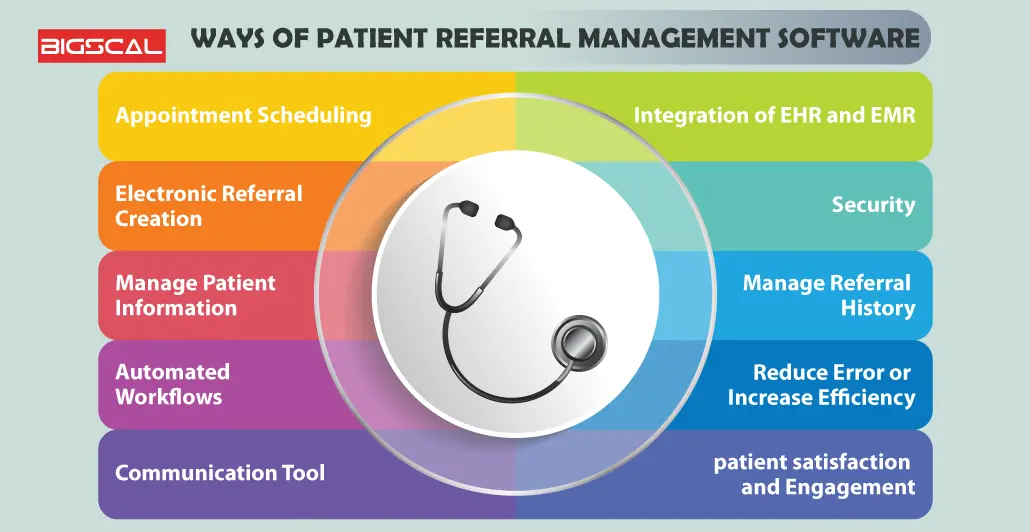
Patient referral management software makes the referral process smooth and organized among healthcare providers. In 2026, hospitals and clinics digitalize the referral workflow to improve patient care continuity and operational productivity.
Faster Referral Processing
Traditional referral systems are highly dependent on paperwork and manual communication. This enhances the risks of delays.
Referral management software helps in:
- Electronic referral creation.
- Instant referral sharing.
- Specialist appointment scheduling.
- Real-time referral tracking.
Additionally, this provides immediate access to the appropriate specialist.
Reduces Administrative Workload
Managing manual referrals is a time-consuming task for front-office tasks.
Patient referral management software automates:
- Referral documentation.
- Status updates.
- Appointment reminders.
- Follow-up communication.
Additionally, it eliminates repetitive admin work for staff.
Improves Continuity of Care
A smooth communication between healthcare providers improves the patient outcome.
System allows:
- Secure clinical data sharing.
- Standardized referral workflows.
- EHR integration.
- Real-time updates between doctors.
- Better coordination.
- follow-up care support.
Reduces Referral Leakage And No-Shows
Referral leakage happens when patients are unable to reach the recommended specialist.
Patient referral management software helps by:
- Sending automated reminders.
- Tracking incomplete referrals.
- Monitoring patient appointments.
- Providing referral completion alerts.
- Improve patient retention.
- Improve treatment continuity.
Enhances Patient Experience
In 2026, patients expect a transparent and hassle-free healthcare process.
Referral management systems offer:
- Online appointment booking.
- Referral status tracking.
- Patient portals.
- Faster communication.
Additionally, it reduces waiting time and enhances patient experience.
Better Analytics and Reporting
Hospital referral software can analyze the data and can identify operational improvement areas.
Software provides insights on:
- Referral volumes.
- High-performing specialists.
- Bottlenecks in workflows.
- No-show patterns.
- Revenue opportunities.
Additionally, referral software helps in better network management and strategic planning.
Why Hospitals Using Referral Software Still Face Leakage And How Top Performers Achieve 95%+ Closure Rates
System Integration Gaps Create Problems
In many hospitals, patient referral management software is not properly integrated with EHR, scheduling, and insurance systems.
This causes:
- Missing referral orders.
- Incomplete patient records.
- Delayed appointment booking.
- Duplicate data entry.
Additionally, integration issues make the referral process slow and confusing.
Poor Provider Directory Management
If doctors are unable to get updated in-network specialist information, they lose patients outside the networks. This directly increases referral leakage.
Common issues include:
- Outdated provider lists.
- Incorrect specialist availability.
- Missing insurance details.
- Poor search functionality.
Administrative Delays Increase Leakage
Manual workflows and slow processes frustrate the patients. When delays are more, it raises the risk of higher leakage.
Major bottlenecks include:
- Long call waiting times.
- Slow preauthorizations.
- Delayed appointment confirmations.
- Inconsistent intake procedures.
Patient Convenience Factors Matter
Patients are no longer satisfied with simply following referral instructions; they also seek convenience.
Leakage reasons include the following:
- Long travel distance.
- Specialist reputation preference.
- Insurance limitations.
- Appointment availability issues.
Additionally, hospitals should also create a patient-centered referral experience.
Top Performers Use Deep System Integration
High-performing hospitals treat referral leakage as a system problem. This makes the referral complete and actionable at the intake stage.
They implement:
- EHR integration.
- Real-time scheduling connectivity.
- Insurance verification automation.
- Centralized referral tracking.
Closed-Loop Referral Tracking Improves Closure Rates
Top hospitals continuously monitor every referral status. If a referral remains incomplete, staff can immediately intervene in it.
They use:
- Referral dashboards.
- Automated reminders.
- Completion alerts.
- Exception monitoring systems.
Centralized Referral Coordination Helps
Best-performing healthcare facilities are taking help from dedicated referral coordinators. Centralized management makes the referral process more organized and efficient.
Their responsibilities include:
- Appointment scheduling.
- Patient follow-ups.
- Insurance coordination.
- Specialist communication.
Analytics Help Identify Leakage Hotspots
Advanced analytics helps hospitals in identifying leakage patterns.
Analytics reveal:
- High-leakage departments.
- Delayed referral pathways.
- Specialist capacity issues.
- No-show trends.
Additionally, hospitals can implement targeted improvements to achieve 95%+ closure rates.
What Features of Patient Referral Management Software Reduce Referral Backlog in Hospitals?
Hospital referral backlogs are the main reason behind patient care delays, staff workload, and operational inefficiency. Modern patient referral management software uses smart automation and workflow tools to reduce referral backlog.
EHR And Scheduling Integration
Manual appointment coordination is the main reason behind referrals backlogs.
Integrated referral systems automatically:
- Synchronise the Patient records
- Create specialist appointments
- Update referrals status
- Avoid duplicate data entry
Overall, this reduces processing speed and prevents manual delays.
Automated Triage And Smart Routing
Manual referral routing is mostly slow and is more prone to errors. Automated triage systems instantly route the referrals to the correct department and specialist.
Patient referral management software can analyze:
- Diagnosis codes.
- Urgency level.
- Insurance information.
- Specialist availability.
Overall, Patient referral management software prevents misrouted referrals and unnecessary delays.
Prioritized Worklists And Queues
If referral requests are scattered in inboxes, it quickly builds a backlog.
Worklist features help by:
- Organizing referrals by urgency.
- Creating status-based queues.
- Highlighting pending cases.
- Assigning referrals to teams.
Additionally, staff can quickly focus on high-priority tasks.
Closed-Loop Referral Tracking
Many referrals remain pending as hospitals are unable to properly track their status.
Closed-loop tracking allows staff to monitor the following:
- Referral sent status.
- Appointment scheduling.
- Patient visits completed.
- Declined or no-show cases.
Overall, this helps hospitals quickly identify unresolved referrals and resolve them on time.
Automated Patient Outreach And Reminders
When a patient misses the appointment. This increases referral backlog and rework.
Patient referral management software automate karta hai:
- SMS reminders.
- Email notifications.
- Self-scheduling links.
- Pre-visit instructions.
Overall, this reduces the no-show rate and workload of manual follow-ups.
Centralized Referral Coordination Dashboard
Centralized dashboards provide complete workflow visibility to referral coordinators.
Coordinators can:
- Batch-process referrals.
- Escalate urgent cases.
- Reassign workloads.
- Monitor team productivity.
- Improve throughput.
- Improve operational efficiency.
Analytics And SLA Monitoring
Advanced analytics help hospitals identify the referral bottlenecks.
Dashboards show:
- Aging referrals.
- SLA breaches.
- High-delay departments.
- No-show trends.
Additionally, managers can quickly implement operational changes and reduce backlogs.
How Bigscal Can Help You To Develop Patient Referral Management Software?
The above benefits are enough to tell you that PRMS is full of advantages; you do not have reason to say no to its implementation in your hospital. But if you have questions on how you will get or develop this software then, we are here to help you.
We will help you in developing patient referral management software. With our expertise in the health systems and providing immersive software solutions, we offer a range of services including healthcare software development services. Hence, we can provide customized solutions that match all your needs and demands . They can also integrate features in existing healthcare systems.
Simplify referrals with Bigscal
- Secure and scalable healthcare solutions
- Faster coordination with better patient outcomes.
Conclusion
So, that is all about PRMS; we hope you understand everything. Top-performing hospitals are centralized referral coordination models for better workflow management. Effective referral management not only improves operational workflows but also creates a strategic healthcare advantage. An effective patient referral management software helps hospitals build more connected, efficient, patient-centric, and financially optimized systems.
FAQ
How do you organize referrals?
Organizing referrals involves creating a systematic process for receiving, tracking, and managing them. Start by establishing a clear referral pathway, assigning a point person, and using a digital or physical system to document and follow up on referrals. Communication and documentation are key for effective referral tracking and management.
How does referral MD work?
Referral MD is a healthcare software platform which streamline the referral process. It allows healthcare providers to electronically send and receive referrals, track their status, and share patient information securely. Referral MD enhances communication and reduces paperwork, improving the efficiency and quality of patient care in the healthcare system.
What are the four types of referral marketing?
Referral marketing encompasses four main types:
- Influencer Marketing: Partnerships with influential individuals.
- Affiliate Marketing: Using affiliates to promote products.
- Advocacy Programs: Encouraging existing customers to refer others.
What is healthcare referral management?
Healthcare and referral management system is a process within the healthcare system that involves coordinating and tracking patient referrals from one healthcare provider to another. It ensures efficient and timely patient care by facilitating communication, sharing medical information, and monitoring the progress of referrals, ultimately enhancing the quality of healthcare services.
What is the referral system in US healthcare?
The referral system in the US healthcare involves a primary care physician (PCP) as a gatekeeper. Patients typically need a referral from their PCP to see a specialist or receive certain medical services. This system helps manage patient care, control costs, and ensures appropriate specialist care when needed.